PUĽS (Poddukelský umelecký ľudový súbor) – Poddukla Artistic Folk Ensemble
A professional artistic ensemble based in Prešov that interprets the musical, vocal, and dance folklore of the Ruthenians. It was founded in 1955 as the Poddukla Ukrainian Folk Ensemble—part of the Ukrainian National Theatre (now the Alexander Duchnovič Theatre). It later received official status under Ministry of Culture decree No. 9341/71–Um.
The predecessor to PUĽS was the professional Ukrainian National Song and Dance Ensemble, founded on the 9th of 2. February, 1953, and based in Medzilaborce and Cemjata (near Prešov). The ensemble director was Juraj Kosťuk, who also worked as the first artistic director of PUĽS until 1958. In the following two seasons, the ensemble was artistically led by Juraj Cimbora and Ľudmila Poliaková, followed by Štefan Ladižinský (1960–1965).
From 1968 to 1972, the ensemble was led and shaped by the prominent choreographer Melánia Nemcová. Rudolf Smoter was the artistic director from 1976 to 1979, followed by Andrej Hnát from 1980 until 1989. Vladimír Ljubimov guided the ensemble’s artistic direction from 1990 to 1993,
and Vladimír Marušin led the ensemble from 1993 to 1996.
He was succeeded by Rudolf Smoter (1996–1999); subsequently, Juraj Švantner was as artistic director from 1999 to 2003, followed by Miroslav Morochovič from 2003 to 2008. In 1991, the ensemble was renamed the Poddukla Artistic Folk Ensemble (originally the Poddukla Ukrainian Folk Ensemble).
In January 2008, PUĽS became an independent entity, with the Prešov Self-Governing Region serving as its founding authority. Following this transition, Vladimír Marušin (2008–2014) was an artistic director and played a key role in shaping the ensemble’s new artistic identity; he was succeeded by Juraj Švantner (2014–2024), who led the ensemble to a period of significant growth in its modern history.
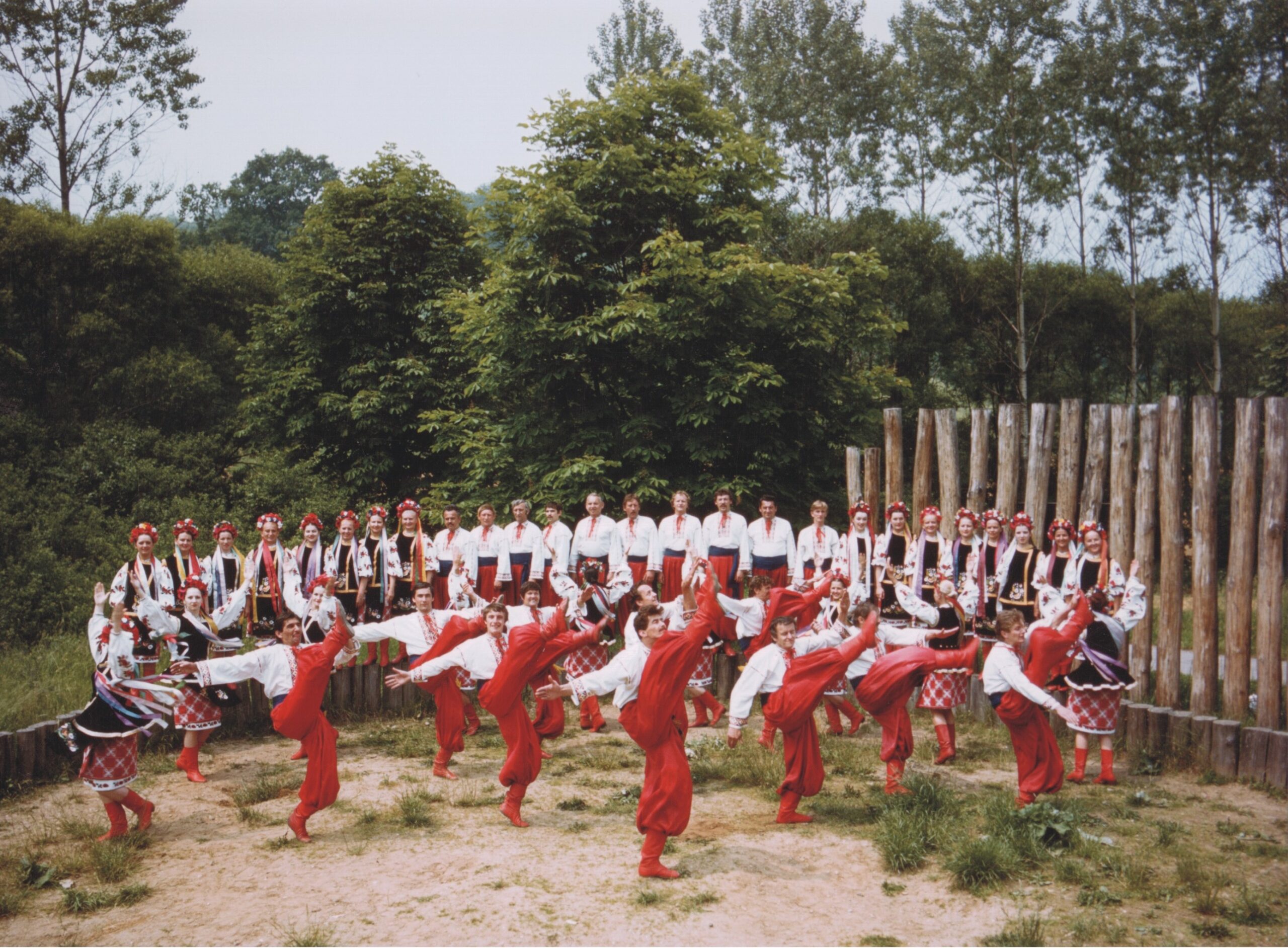
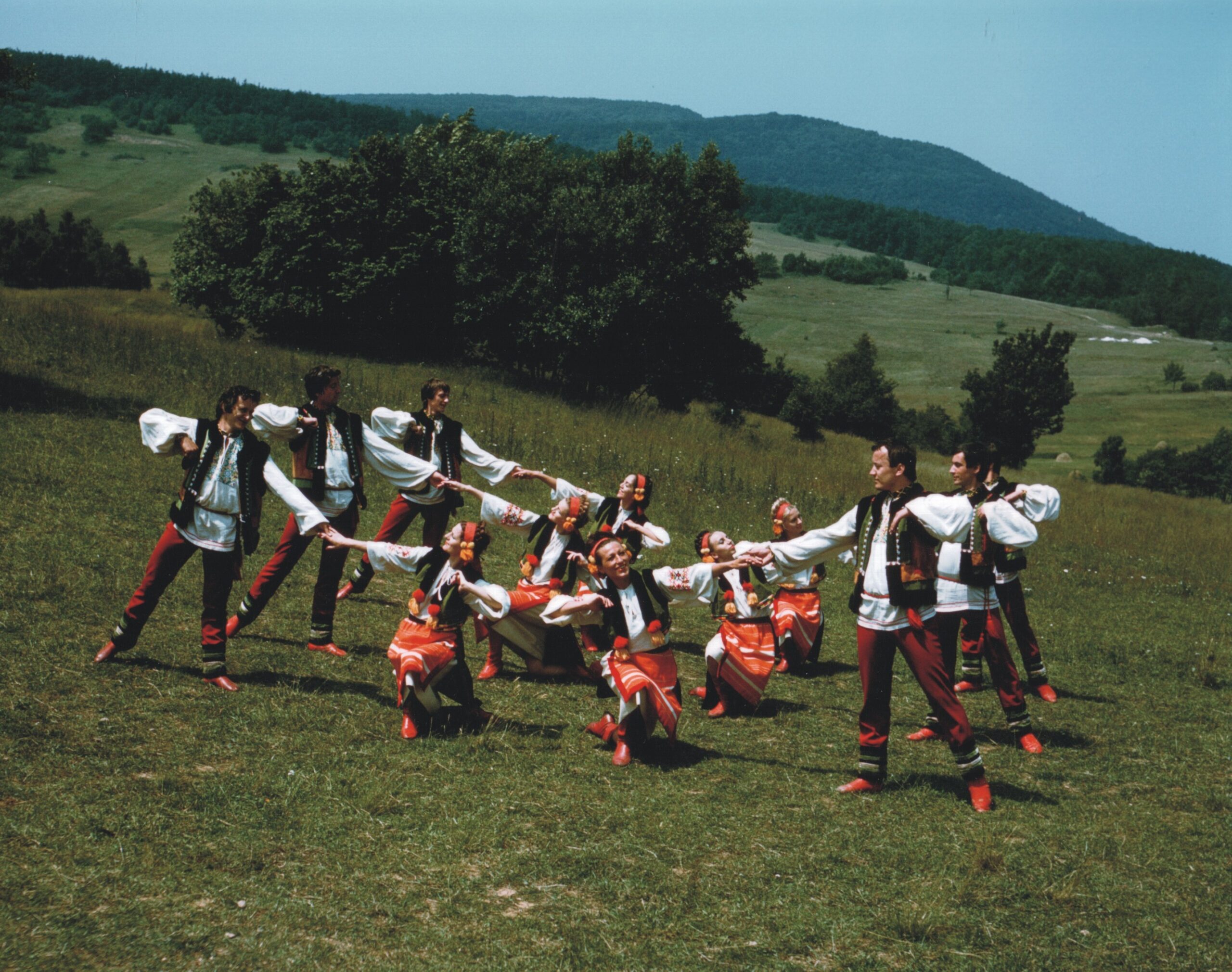


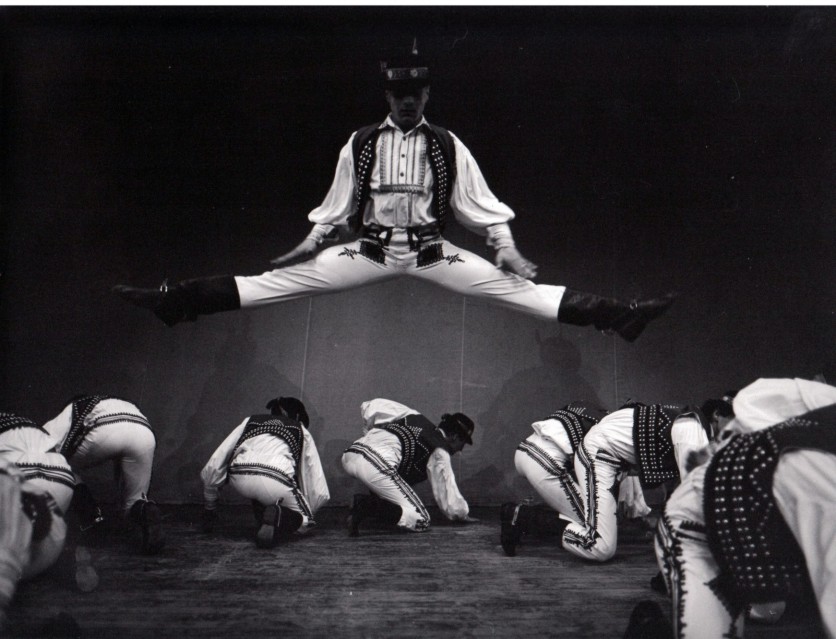
Dance
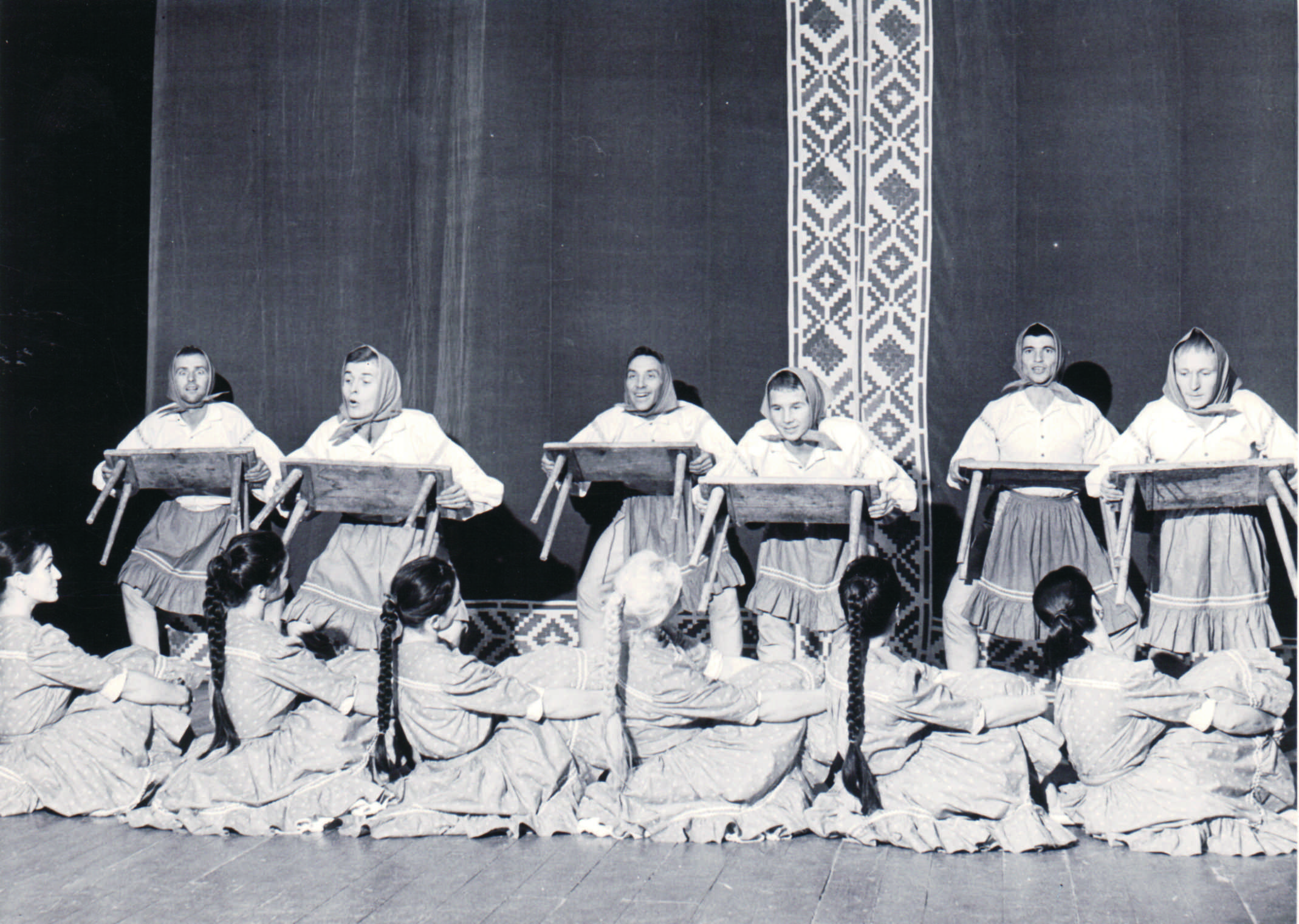
The first choreographers of PUĽS were Vladimír Libovický and the long-standing leading artistic figure Melánia Nemcová (1957–1973). Following her withdrawal, the dance ensemble was led by long-time soloist Ivan Čisárik (1973–1979). Educator and choreographer Stanislava Semjanová-Selčanová provided artistic leadership for the group during the periods of 1979–1980 and 1984–1991. From 1980 to 1983, the ensemble was shaped by artistic director Juraj Goga, who had been working with the group as a choreographer since 1971. Choreographer Pavol Širák subsequently headed the ensemble for a brief period (1983–1984). Stanislava Semjanová-Selčanová once again led the dance division from 1985 to 1989. Dancer and choreographer Vladimír Marušin took over artistic leadership from 1991 to 1996. After his withdrawal, the PUĽS dance ensemble operated under the leadership of Juraj Goga once more (1997–2001). Miroslav Morochovič worked as the leader and choreographer of the dance ensemble from 2003 to 2008. Following the ensemble’s move to independent status in 2008, its artistic direction was shaped by choreographer Vladimír Marušin and dance director Anna Marušinová. From 2014 to 2023, this component was led by Juraj Velebír, a long-time soloist and a prominent stage personality. After his withdrawal, dancer and choreographer Viliam Mikula took over the role for a one-year term.
Choir, Orchestra
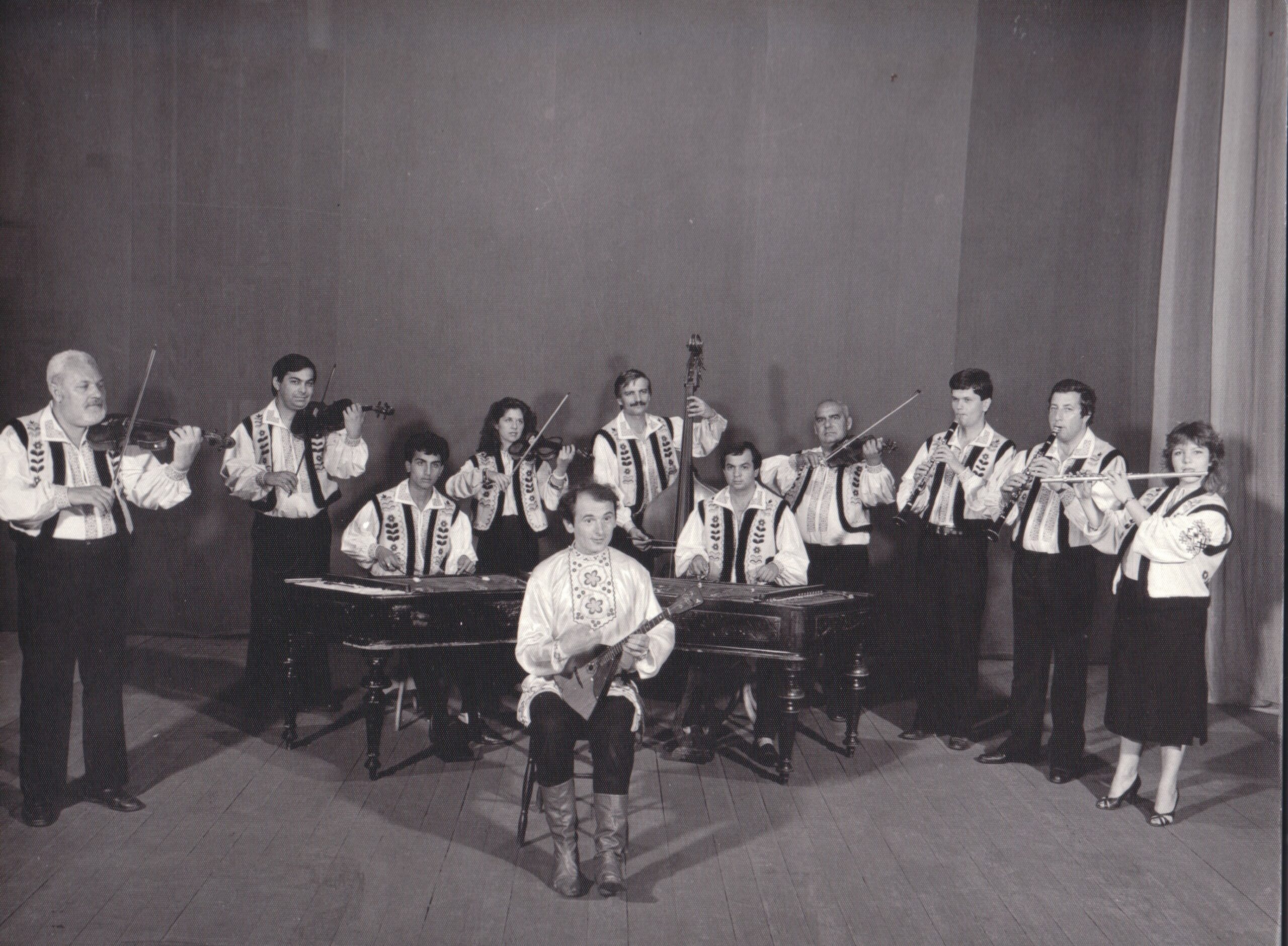
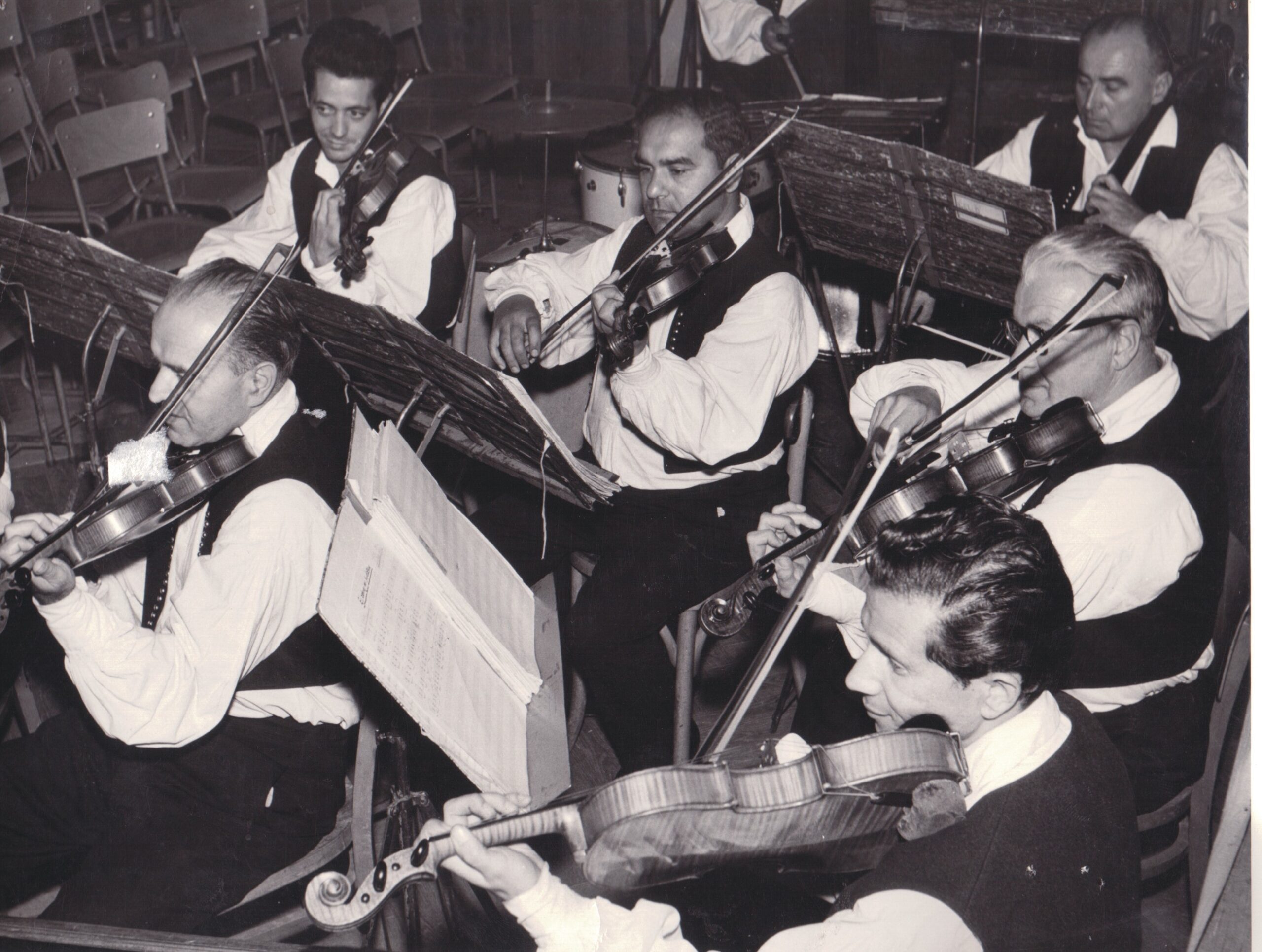
Juraj Kosťuk worked as the first choirmaster and artistic director. Other key figures who contributed to building the professional choir included Juraj Cimbora (also a composer) and later Štefan Ladižinský. The longest-serving choirmaster of the PUĽS choir was Miroslav Burgr (1963–1977), who was succeeded by Václav Dvořák. Dvořák’s professional approach shaped the PUĽS choir into a top-tier ensemble capable of performing not only the standard repertoire of the ensemble but also classical works with ease. Another notable figure was Vladimír Ljubimov, who worked as a choirmaster from 1984 to 1993. Following his withdrawal, the vocal ensemble was partially reduced in size, a change reflected in the choir’s repertoire as it gradually transformed into a smaller vocal group.